Using VOC Data for WELL, LEED & BREEAM Submissions

Achieving a WELL, LEED, or BREEAM certification is a significant milestone for any building project. It signals a commitment to sustainability, health, and occupant wellbeing. However, the path to certification is paved with detailed documentation, particularly when it comes to demonstrating compliance with indoor air quality and low-emitting materials credits. Gathering volatile organic compound (VOC) test reports for every specified product can be a time-consuming and complex task for project teams.
This guide is designed to simplify that process. We'll show you how to use the VOC data and test reports provided for Workbench furniture to support your WELL, LEED, and BREEAM submissions. All our standard products are tested by Eurofins, a global leader in testing, and this documentation is designed to align with the rigorous requirements of the world’s leading green building standards.
By understanding how this documentation fits into each scheme, you can streamline your submission process, save valuable time, and confidently specify furniture that contributes to a healthier indoor environment.
How Workbench Supports LEED v4/v4.1 Low-Emitting Materials
The LEED (Leadership in Energy and Environmental Design) rating system is one of the most widely used green building frameworks globally. The "Low-Emitting Materials" credit (EQc2) is a key component of the Indoor Environmental Quality category, designed to reduce concentrations of chemical contaminants that can damage air quality, human health, productivity, and the environment.
Credit Structure and Product Categories
The credit is structured around several product categories, each with its own compliance thresholds. Project teams must demonstrate that a certain percentage of products (by cost or number) meet the specified VOC emissions or content standards.
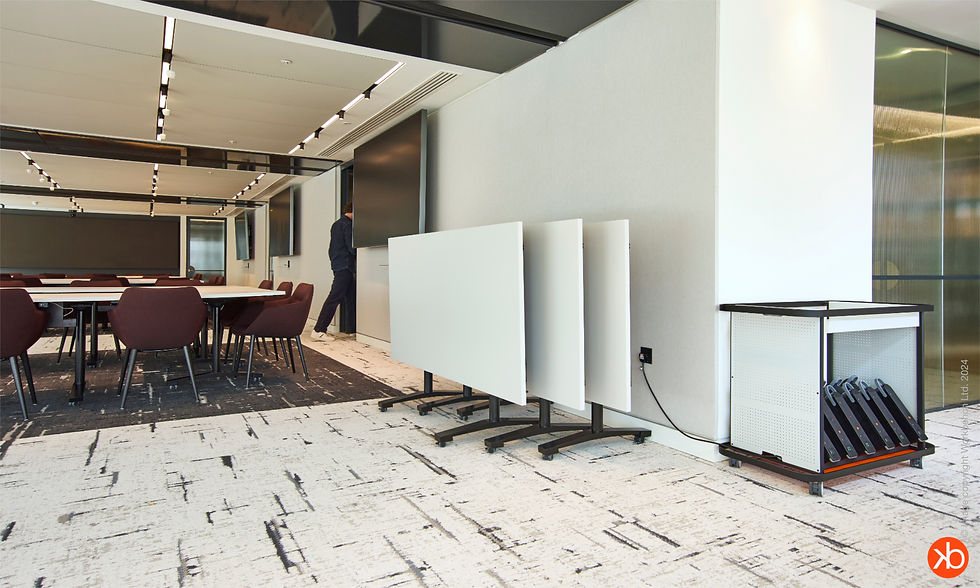
Workbench products, such as our tables credenzas, planters and partitions , can contribute to the "Furniture" and "Composite Wood" categories. To earn points, these products must meet the VOC emissions criteria outlined in the ANSI/BIFMA e3 Furniture Sustainability Standard, specifically section 7.6.
Using Workbench Documentation for Your LEED Submission
When you specify a Workbench product for a LEED project, we can provide you with a comprehensive documentation package that makes demonstrating compliance straightforward. Our products are tested by Eurofins to ensure they meet the relevant standards.
What Document Do You Receive?
Third-Party Test Reports: You will receive a detailed report from Eurofins that confirms the product has been tested according to accepted methods
Product Specification Sheets: These sheets detail the materials and finishes used, providing supplementary information for your submission.
A Signed Manufacturer's Declaration: This letter confirms that the product supplied is constructed using the same materials as those tested to meets the Low-Emitting Materials credit requirements.
LEED Submission Checklist
Request Documentation: Early in the specification process, inform our team that the project is targeting LEED certification.
Identify Product Categories: Confirm that Workbench products are being counted towards the "Furniture" and "Composite Wood" categories in your LEED credit calculator.
Compile Your Evidence: Gather the Eurofins test report and the manufacturer's declaration for each specified Workbench product.
Upload to LEED Online: In the EQc2 Low-Emitting Materials section of LEED Online, upload the compiled documents as evidence of compliance for the relevant product categories.
Add a Narrative: Include a brief narrative in the submission form explaining how the provided documentation demonstrates compliance. For example: "As per the attached Eurofins test report [Report Number], the specified Workbench [Product Name] has been tested and complies with the VOC emissions requirements of ANSI/BIFMA e3-2019, contributing to the Furniture category for this credit."
By working with Workbench, your team can more easily compile the robust documentation needed to secure this crucial LEED credit.
Navigating WELL v2 Air and Materials Features
The WELL Building Standard focuses exclusively on the health and wellbeing of building occupants. Its "Air" and "Materials" concepts contain several features aimed at minimising human exposure to hazardous VOCs emitted from building materials and furnishings.
Relevant WELL Features and Test Paths
Workbench products can directly support your goals for multiple WELL v2 features, primarily within the Air and Materials concepts.
Feature A04: VOC Reduction: This feature requires that furniture, flooring, and insulation meet stringent VOC emission thresholds. For furniture, projects must demonstrate compliance via one of the accepted test methods, such as ANSI/BIFMA e3 (credit 7.6.1, 7.6.2, or 7.6.3), CDPH Standard Method v1.2-2017, or EN 16516.
Feature X05: Enhanced Material Restrictions: This feature encourages the use of products with transparent chemical inventories and optimised material chemistry. While the VOC report is the primary document, our commitment to material transparency can support this feature's intent.
Workbench products are tested by Eurofins using these exact methods, ensuring that our reports map directly to the requirements of the WELL standard. This alignment makes it simple for sustainability consultants to verify compliance without needing to interpret complex or non-standardised test data.
WELL Submission Checklist
Reference Workbench in Your IAQ Strategy: In your project's indoor air quality (IAQ) plan, reference the specification of low-VOC furniture from Workbench as a key strategy for meeting Feature A04.
Gather Test Reports: Collect the Eurofins test reports for all specified Workbench furniture. The report will clearly state the test method used (e.g., CDPH Standard Method v1.2).
Annotate Documentation: In your submission, you may be required to submit an annotated document that highlights the relevant sections of the test report showing the compliant VOC emission levels.
Upload as Verification: Submit the test reports and any annotated documents through the WELL Online portal as the designated method of verification for the relevant parts of Feature A04.
Using Workbench makes it easier to demonstrate a proactive approach to material selection and contributes to a healthier indoor environment for occupants.
Meeting BREEAM Hea 02 Indoor Air Quality Requirements
BREEAM (Building Research Establishment Environmental Assessment Method) is a leading sustainability assessment method for buildings. The "Hea 02: Indoor Air Quality" credit aims to recognise and encourage buildings that are designed and built to achieve healthy indoor air quality levels.
Emissions from Products Requirements
One part of this credit focuses specifically on volatile organic compound (VOC) emissions from building products. To achieve this credit, project teams must demonstrate that a significant portion of specified products meet best-practice emission levels.
The preferred pathway for demonstrating compliance is through products tested in accordance with EN 16516 or the ISO 16000 series of standards. BREEAM requires this testing to be conducted by a third-party, accredited laboratory.
How Workbench Supports BREEAM Hea 02
This is where specifying Workbench furniture simplifies your certification process. Our products are tested by Eurofins, a UKAS-accredited laboratory, using methods that align directly with the requirements of EN 16516. The test reports serve as the robust, third-party evidence that BREEAM assessors look for.
This means you can confidently specify our furniture as part of your strategy to meet the "emissions from products" criteria, knowing you will receive documentation that is fit for purpose.
BREEAM Submission Checklist
Specify Compliant Products: During the design phase, ensure your specification documents call for low-VOC furniture and explicitly mention the requirement for EN 16516 test reports.
Request BREEAM Documentation: Let the Workbench team know that the project is targeting BREEAM. We will provide the necessary Eurofins test reports.
Compile Your Evidence File: For the Hea 02 credit, create a folder containing the test reports for all relevant products, including the Workbench furniture specified.
Submit to the Assessor: Provide this evidence file to your BREEAM assessor as part of your submission. The assessor will use these third-party reports to verify compliance with the credit requirements.
By providing clear, compliant, and third-party-verified documentation, we help make achieving the Hea 02 credit a more straightforward part of your BREEAM journey.
Practical Tips for Success
A smooth certification process relies on good coordination and planning. Here are a few tips for integrating Workbench documentation seamlessly into your project workflow:
Request Documentation Early: Contact us as soon as you specify our products. The earlier you have the documentation, the easier it will be to manage your submission.
Coordinate Across the Team: Ensure the architect, sustainability consultant, and contractor are all aware of the documentation available from Workbench. This prevents duplicated effort and ensures everyone has the information they need.
Use Our Technical Resources: Our website contains a wealth of information, including technical data sheets and sustainability certifications. Use these resources to support your project narrative.
Summary: From Test Report to Credit
Scheme | Credit/Feature | What Workbench Provides | What the Project Team Does |
LEED v4/v4.1 | EQc2: Low-Emitting Materials | Eurofins test report (CDPH/BIFMA), manufacturer's declaration for Furniture & Composite Wood. | Upload documents to LEED Online, write narrative, and track compliance for other materials. |
WELL v2 | A04: VOC Reduction & X05: Enhanced Materials | Eurofins test report (CDPH, BIFMA, EN 16516), product material information. | Integrate into IAQ strategy, annotate and upload reports to WELL Online. |
BREEAM | Hea 02: Indoor Air Quality | Third-party Eurofins test report (aligned with EN 16516 / ISO 16000). | Compile evidence file for BREEAM assessor, ensure on-site air quality testing is done. |
Let Us Simplify Your Certification Journey
Navigating the complexities of green building certifications is a challenge, but you don't have to do it alone. By specifying Workbench, you are choosing a partner committed to making your life easier. Our investment in rigorous third-party testing and clear documentation means your team can spend less time on paperwork and more time designing exceptional, healthy spaces.
If you have questions about using our VOC data for a specific project or would like to arrange a session for your team, please get in touch with us.